| Physical and chemical properties |
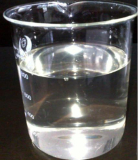
Color and odor status: colorless and transparent liquid with pungent odor |
| Toxicity: low toxicity |
Flammability: flammable |
| Density: 0.7918 |
Volatility: Volatile |
| Corrosivity: Corrosion |
Boiling point: 64.7℃ |
| Decomposability: high temperature decomposition |
Melting point: -97.8℃ |
| Acidity and alkaline: neutral |
Hygroscopicity: good |
| Spontaneous ignition point: 436℃ |
Deliquescence: not deliquescence |
| Flash point: 12℃ |
|
| Solubility: soluble in water, miscible in most organic solvents such as alcohols and ether. |
| Uses |
Methanol is widely used as a basic organic chemical raw material and high-quality fuel. Mainly used in fine chemicals, plastics and other fields to produce organic products such as formaldehyde, acetic acid, methyl chloride, methylamine, dimethyl sulfate, etc. It is a raw material for pesticides and pharmaceuticals. Methanol can be used as a new clean fuel after deep processing, or it can be added to gasoline for mixing. |
| Hazard category |
3.2 Class flammable liquid |
| Fire-fighting measures |
Warehouse: ventilated, low temperature and dry; stored separately from oxidants and acids. Use alcohol-resistant foam, dry powder, carbon dioxide, and sand to extinguish the fire. |
| Emergency treatment |
Inhalation: quickly leave the scene to a place with fresh air. Keep the airway open. If breathing is difficult, give oxygen. If breathing stops, give artificial respiration immediately. Seek medical attention. Ingestion: Drink enough warm water to induce vomiting. Lavage the stomach with water or 1% sodium thiosulfate solution. Seek medical attention. Skin contact: Take off contaminated clothing and rinse the skin thoroughly with soap and water. Eye contact: Lift the eyelid and rinse with running water or normal saline. Seek medical attention. |
| Packaging, storage, transportation |
It can be packed in baking painted iron drum, 160KG/drum, stored in a cool, well-ventilated special warehouse, away from fire and heat sources; the warehouse temperature should not exceed 37℃, keep the container sealed; it should be stored separately from oxidants, acids, alkali metals, etc. , Avoid mixed storage; use explosion-proof lighting and ventilation facilities ; prohibit the use of mechanical equipment and tools that are prone to sparks; storage areas should be equipped with leakage emergency treatment equipment and suitable storage materials. Transportation should be done sooner or later in the hot season. |
| |